Effective planning is the foundation of productivity and goal achievement. Whether you’re organizing daily tasks, managing professional projects, or working toward long-term goals, the right planning tools can make all the difference.
In today’s world, there are countless options – from classic paper planners to advanced digital systems. Let’s explore the most popular types of planning tools and help you choose the one that fits your lifestyle best.
Types of planning tools
Discover a few of the most effective types of planning tools that can help you organize your time, manage your goals, and bring more clarity into your days. From simple paper planners to advanced digital systems, each tool offers something unique – the key is to find the one that fits your lifestyle and personality.
Planning doesn’t have to be complicated. With the right tool, you can stay focused, reduce overwhelm, and finally start turning your plans into real progress.
1. Paper planners or calendars
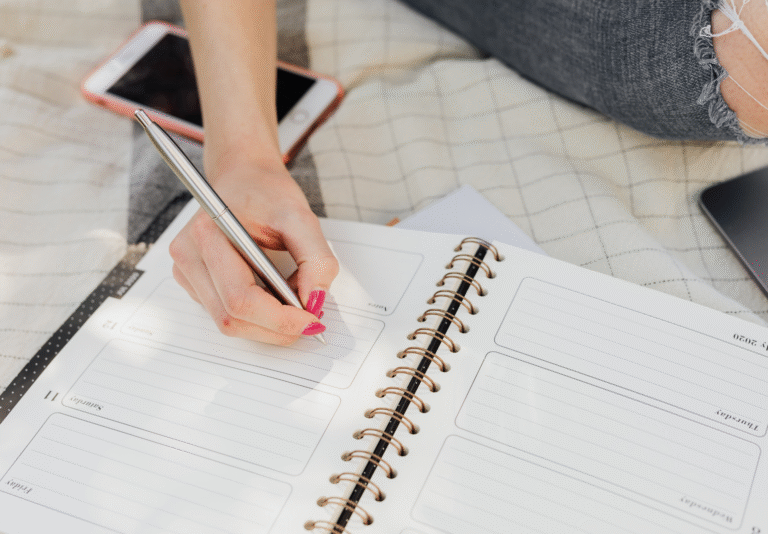
Traditional paper planners remain one of the most popular and effective planning tools. Many people find that writing things down by hand helps them remember better and focus on what truly matters.
Advantages:
🔹 Increases concentration and memory retention
🔹 Reduces digital distractions
🔹 Offers space for creative notes and sketches
✔️ Best for: people who value tangible tools, enjoy handwriting, and like to see their progress on paper.
2. Digital planners
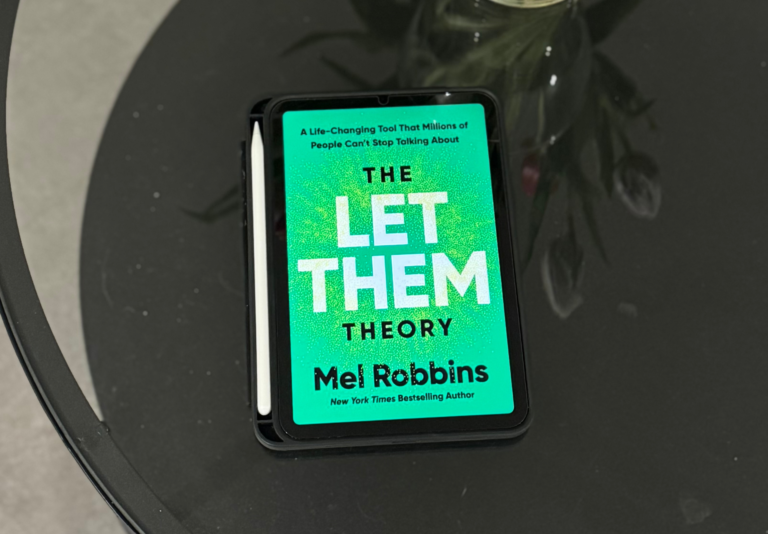
Digital planners combine flexibility with convenience. They can be used on tablets or iPads with a stylus, offering the look of a traditional planner but with all the benefits of technology – easy edits, links, and templates.
Advantages:
🔹 Easy to update and reorganize
🔹 Environmentally friendly (no paper waste)
🔹 Syncs with cloud storage for easy access everywhere
✔️ Best for: people who want the handwritten experience but prefer a modern, portable solution.
3. Planning apps
Planning apps have transformed the way we organize our time and manage priorities. Depending on your needs, you can choose between task management apps for everyday productivity or project management apps for more complex goals and teamwork.
a) Task management apps
These apps are perfect for planning your day-to-day activities, setting reminders, and keeping track of habits or personal goals. Popular options include Todoist, Any.do, and TickTick (in its basic version). These apps are not complicated and you can start using them quickly.
Advantages:
🔹 Simple and intuitive interface
🔹 Great for creating daily and weekly task lists
🔹 Helps develop consistent planning habits
🔹 Available on any device and in the cloud.
✔️ Best for: individuals who want to stay on top of everyday responsibilities without overcomplicating the process.
b) Project management apps
If you work on larger projects, collaborate with others, or need a more advanced system, project management tools are the way to go. Applications such as Asana, ClickUp, and TickTick (Pro version) help you structure goals, assign tasks, and track progress efficiently.
Advantages:
🔹 Ideal for teamwork and professional projects
🔹 Advanced features like task dependencies, dashboards, and integrations
🔹 Helps maintain clear structure and accountability
✔️ Best for: professionals and teams managing multiple projects or long-term goals.
4. Spreadsheets and templates
For those who enjoy structure and data, spreadsheets and planning templates are an excellent option. You can create your own system in Excel or Google Sheets or use ready-made templates from Space for plans (coming soon).
Advantages:
🔹 Full control over categories, priorities, and formulas
🔹 Great for financial and project planning
🔹 Easy to duplicate and reuse
✔️ Best for: people who love order, details, and measurable results.
5. Hybrid planning systems
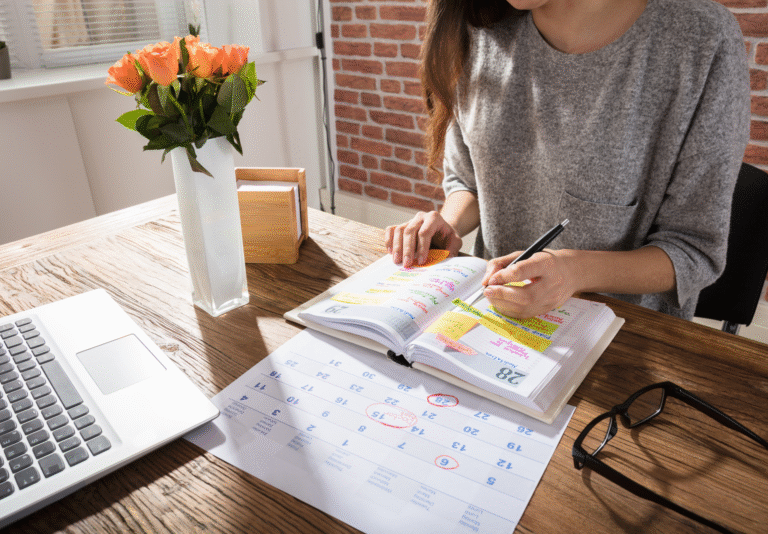
Can’t decide between digital and paper planning? You don’t have to. Many people successfully combine both – for example, using a paper planner for daily focus and apps for task management and project management.
Advantages:
🔹 Combines the best of both worlds
🔹 Flexible and adaptable to your needs
🔹 Encourages balance between mindfulness and productivity
✔️ Best for: those who want a personalized, balanced planning system.
Which planning tool should you choose?
The best planning tool is the one you’ll actually use. Think about your daily routine, preferences, and what helps you stay consistent. Whether it’s a minimalist notebook, a digital app, or a structured Excel template – consistency matters more than the format itself.
I believe that planning should feel simple and enjoyable – not overwhelming. Explore my tools, templates, and resources designed to help you stay organized and focused every day.
No matter which planning tool you choose, remember – it’s not about having the perfect system, but about using it consistently. Even the most advanced app or beautifully designed planner won’t help if it stays unopened.
Start small, experiment, and notice what feels natural to you. Maybe you’ll fall in love with the simplicity of a paper planner, or perhaps digital planning will give you the flexibility you need.
✨ Find your planning style, stay consistent, and make every plan count.