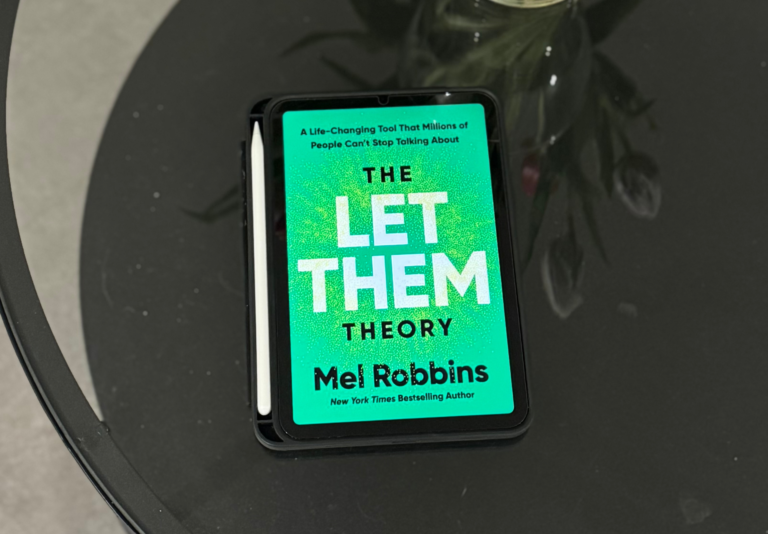
If you’ve ever tried to build a new habit, you know it’s not always easy. You start full of motivation but after a few days, your enthusiasm fades. The good news? Building habits isn’t about motivation. It’s about creating a system that makes change simple and lasting.
In this article, you’ll learn how to start building habits step by step, even if you’ve failed many times before.

How to start building habits?
If you’ve ever wondered how to start building habits that actually stick, you’re not alone. Many people start strong but lose motivation after just a few days. The truth is: success doesn’t come from doing huge things once – it comes from doing small things consistently.
Building habits is the foundation of personal growth, productivity, and long-term success. Whether you want to create new habits, build better routines, or simply make your life more intentional – this guide will show you how to do it step by step.
1. Start small: Build simple daily habits
When you start building habits, less is more ✔️
One of the most common reasons people give up is because they start too big. They want to completely change their lifestyle overnight, and that’s simply not sustainable.
Instead of aiming for perfection, aim for small, realistic daily habits.
For example:
Want to start exercising? Begin with a 5-minute training.
Want to read more? Start with a few pages a day.
Want to plan your day better? Spend just two minutes reviewing your to-do list every morning.
Small wins build momentum, and momentum builds confidence. Over time, those small steps turn into powerful long-term habits.
2. Focus on consistency over motivation
Motivation comes and goes, consistency is what keeps you moving forward. You don’t need to be perfect; you just need to show up.
When you repeat an action daily, even for a short time, your brain begins to recognize it as a part of your identity. That’s how habits become automatic.
So instead of asking, “How can I stay motivated?”, ask yourself, “How can I make this easier to repeat every day?”
Set small goals you can achieve even on your busiest days. Five minutes of progress is infinitely better than none.
3. Make habits easy to start and hard to quit
To build good habits, design your environment so that the right actions are easy, and the wrong ones are difficult.
If you want to:
Eat healthier: Keep fruits on the counter and remove junk food from sight.
Exercise more: Keep your workout clothes next to your bed.
Read daily: Place your book on your pillow every morning so you see it before bed.
When you make habits easier to start, you reduce resistance.
Don’t rely on willpower – change your environment to support your goals. Willpower fades; good systems don’t.
4. Create a work-start ritual
To build good habits, design your environment so that the right actions are easy, and the wrong ones are difficult.
If you want to:
Eat healthier: Keep fruits on the counter and remove junk food from sight.
Exercise more: Keep your workout clothes next to your bed.
Read daily: Place your book on your pillow every morning so you see it before bed.
When you make habits easier to start, you reduce resistance.
Don’t rely on willpower – change your environment to support your goals. Willpower fades; good systems don’t.
5. Track your habits to stay accountable
Tracking your progress is one of the most effective ways to make habits stick. When you see your streak growing – one day after another – it creates a strong sense of satisfaction and accountability.
You can track habits in many ways:
Use a habit tracker app like TickTick, Way of Life, or Habit List.
Print a monthly tracker and mark off each day you complete your habit.
Keep a simple checklist in your notebook or digital planner.
The key is not to give up, even if you miss a day or two. Just keep doing your thing.
6. Be patient – real change takes time
Many people quit too soon because they expect instant results. But building habits that last takes time and patience.
That’s why consistency matters more than intensity. Don’t expect to change your life in a week. Instead, focus on being slightly better each day. Progress compounds – just like interest in a savings account.
Each repetition is a vote for the person you want to become.
7. Reward your effort, not just the outcome
To keep your brain engaged, celebrate your small wins. When you acknowledge progress – even minor – you create positive reinforcement that encourages you to keep going.
For example:
Enjoy a relaxing walk after completing your daily habit.
Cross off the habit on your tracker with a bold mark.
Tell yourself, “I’m proud of showing up.”
The process of rewarding effort helps you build productive habits that feel good instead of forced.
The secret to lasting change isn’t motivation or willpower 👉 it’s structure, patience, and consistency.
When you start small, track your progress, and make your environment support your goals, you create a system that naturally leads to success.
You don’t need to overhaul your life overnight.
Just start with one small, simple habit and let time do the rest.
Remember: consistency over motivation. Always.
Check it out on my Pinterest ⬇️
>> What no one tells you about building habits, byt they should